
How a Tree Trimming Contractor Helps Improve Tree Health and Safety
Healthy trees can add beauty, shade, and natural structure to a property, but they also need regular attention to stay strong. Branches that grow too heavily, cross over one another, or hang near roofs and walkways can create problems that are easy to overlook until damage occurs. Proper trimming supports better growth, reduces hazards, and helps homeowners understand when a tree may need more than routine maintenance. Working with a tree trimming contractor can make that process easier because tree care requires the right timing, equipment, and understanding of how each cut affects long-term health. Instead of guessing which branches should stay or go, property owners can rely on professional guidance that protects both the tree and the surrounding space. This kind of care is especially helpful for mature trees, storm-damaged trees, and trees growing near high-traffic areas. With the right approach, trimming becomes more than a cosmetic service. It becomes a practical way to support the health, safety, and value of the entire property.
Supporting Stronger Tree Growth
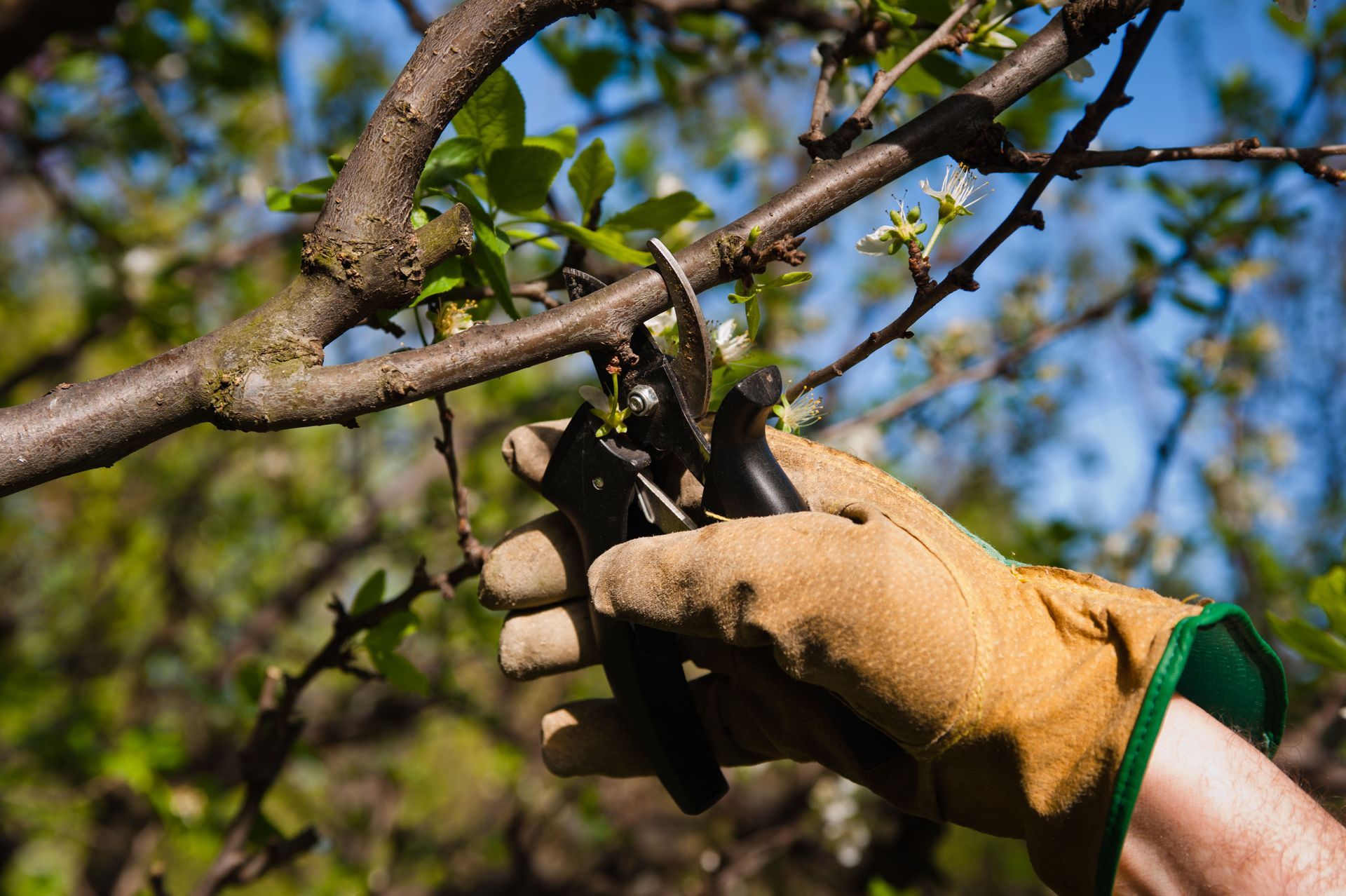
Trees respond to trimming in ways that influence future growth. When weak, crowded, or damaged branches are removed correctly, the remaining limbs can receive more sunlight and airflow. This can help the tree direct energy toward stronger branches, healthier foliage, and a more balanced canopy. Poor trimming, however, can leave wounds that take longer to close or encourage uneven regrowth.
A tree trimming contractor can evaluate the overall structure before making cuts. This matters because every tree has a natural shape, and unnecessary trimming can create stress. Removing too much at once may leave the tree vulnerable to sunscald, pests, or disease. Careful trimming focuses on selective improvement rather than aggressive cutting.
Regular trimming can also reduce competition within the canopy. Branches that rub together may create open areas in the bark, giving insects and disease easier access. By removing these problem limbs early, homeowners can help their trees stay healthier for longer.
Reducing Safety Risks
Tree limbs can become safety concerns when they hang over driveways, sidewalks, patios, fences, or roofs. Even a healthy-looking branch may break during high winds, heavy rain, or snow. Dead or weakened limbs are especially risky because they can fall without much warning. Trimming helps reduce these hazards before they lead to property damage or personal injury.
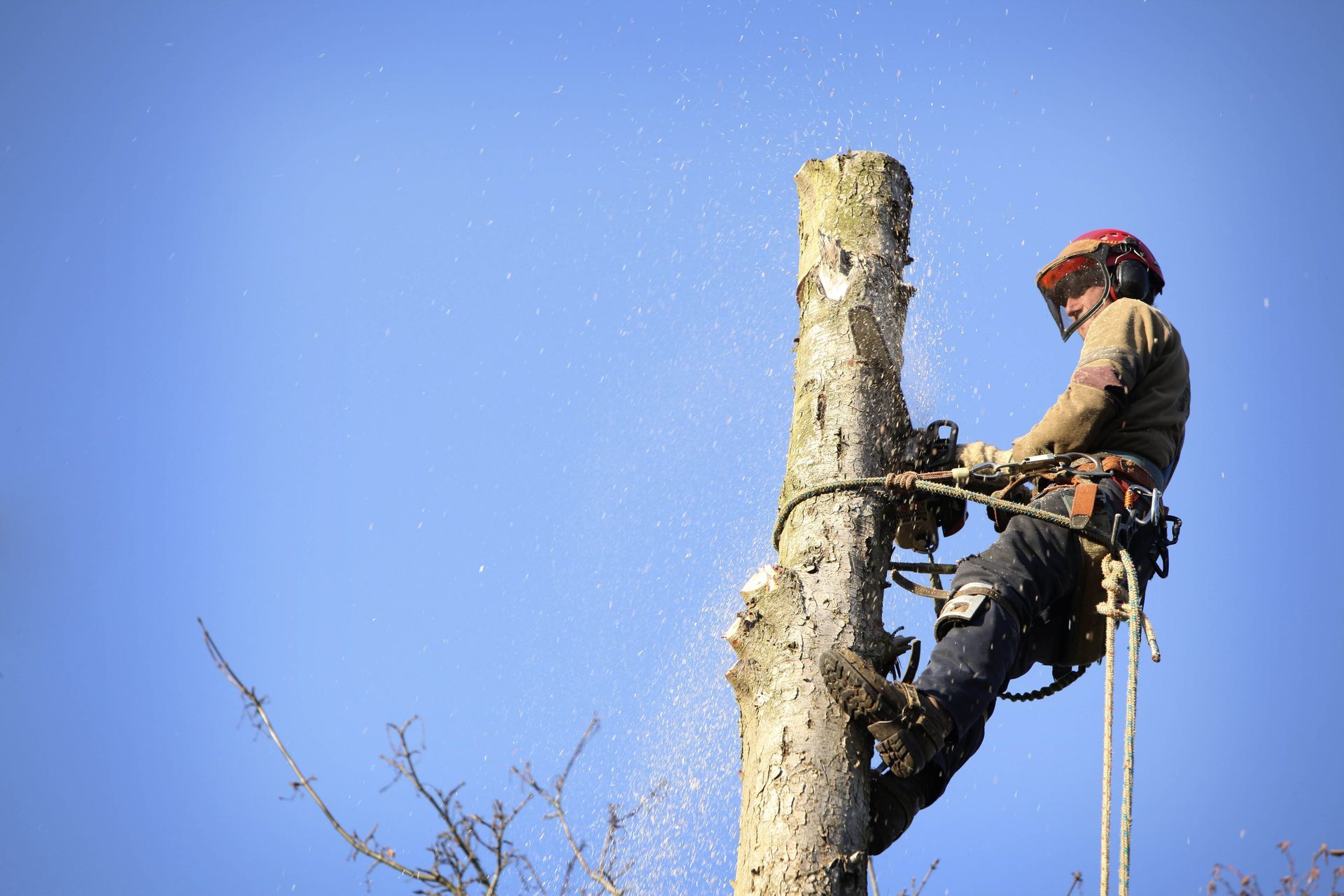
A tree trimming contractor can identify branches that may not be obvious concerns from the ground. Cracks, decay, poor attachment angles, and weight imbalance can all affect stability. Professional equipment also makes it safer to reach higher branches without damaging the tree or nearby structures.
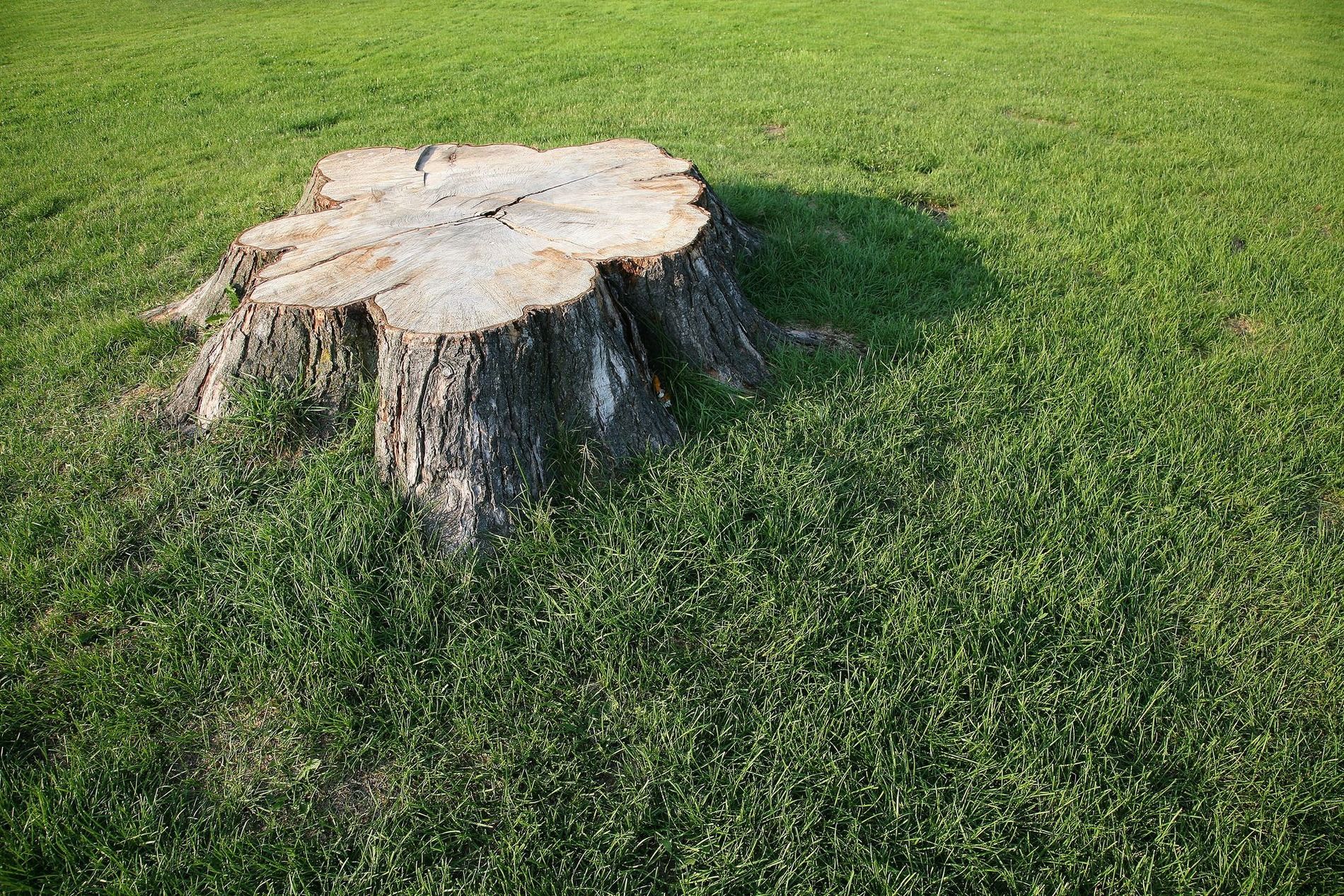
In some cases, trimming may reveal that a tree is too close to the home or too compromised to remain in place. According to This Old House, for maximum safety, it is best to remove trees that are within 40 feet of your home. While not every nearby tree automatically needs removal, that guidance highlights the importance of evaluating trees in relation to structures, especially when branches, roots, or leaning trunks create ongoing risk.
Improving Tree Shape and Balance
A well-shaped tree is not only more attractive, but it is also often more stable. Uneven branch growth can cause one side of the canopy to become heavier than the other. Over time, that imbalance may increase stress on the trunk, limbs, and root system. Strategic trimming can help restore proportion while preserving the tree’s natural appearance.
A tree trimming contractor can shape the canopy without cutting away too much healthy growth. This is important because over-pruning can create a sparse, unnatural look and may weaken the tree’s ability to produce food through its leaves. Balanced trimming helps maintain structure while encouraging a fuller, healthier form.
Shape also matters for clearance. Branches may need to be lifted away from walkways, driveways, signs, lighting, or rooflines. When done carefully, clearance trimming improves access and visibility without leaving the tree looking stripped or uneven. This can be especially helpful for homeowners who want their landscape to look maintained while still protecting tree health.
Preventing Damage to Property
Tree growth can interfere with homes and outdoor features in several ways. Branches that touch siding, gutters, windows, or shingles may scrape surfaces during storms. Leaves and twigs can collect in gutters, leading to drainage problems. Heavy limbs over roofs may also increase concern during severe weather, especially if the tree has existing weakness. These issues can become more expensive when they are ignored for too long.
A tree trimming contractor can reduce these risks by trimming branches before they become too large or too close to structures. Proactive maintenance is often easier than waiting until a limb is already pressing against a roof or hanging over a vulnerable area. It can also help homeowners avoid emergency calls after storms.
Trimming can protect landscaping features, too. Overgrown branches may shade grass, gardens, shrubs, or outdoor living areas more than intended. Selective pruning can allow more light to reach the ground while keeping the tree as a valuable part of the property. When tree growth is managed thoughtfully, the entire landscape can function better.
Identifying Signs of Disease or Decline
Tree problems are not always easy to recognize. A few dead branches may seem minor, but they can sometimes point to larger concerns. Discolored leaves, peeling bark, fungal growth, hollow areas, or unusual insect activity may indicate disease, decay, or environmental stress. Early identification gives homeowners more options for treatment, trimming, or removal.
A tree trimming contractor can often notice warning signs during routine trimming. Because professional tree care involves looking closely at limbs, bark, canopy density, and growth patterns, trimming visits can also serve as informal checkups. This can be valuable for catching problems before they spread through the tree or to nearby trees.
Not every issue requires removal. Some trees may recover with selective trimming, better airflow, reduced weight, or improved growing conditions. However, a declining tree near a home, driveway, or outdoor gathering area may need a different plan. Professional assessment helps homeowners make decisions based on safety, health, and long-term property care.
Planning Routine Tree Maintenance
Tree trimming is most effective when it is part of an ongoing maintenance plan. Waiting until branches are visibly dangerous can limit options and make the work more urgent. Routine care helps manage growth gradually, which is usually healthier for the tree and less disruptive for the property. It can also give homeowners more control over how trees develop as the landscape changes. Consistent care supports curb appeal without allowing branches to become difficult to manage.
A tree trimming contractor can recommend a trimming schedule based on tree species, age, location, and condition. Some trees may need more frequent attention because they grow quickly or sit close to buildings. Others may only need occasional pruning to remove deadwood or maintain shape. Timing can also matter, since certain trees respond better to trimming during specific seasons.
Homeowners also benefit from having a consistent record of tree care. Over time, this makes it easier to monitor changes in growth, storm damage, or signs of decline. With regular trimming, trees can remain attractive, safer, and better suited to the space around them. Call Tree Rescue, LLC today to schedule your tree care or removal service.
Share On: