

5 Factors That Affect Stump Grinding Costs
Removing a tree stump can significantly improve the appearance, safety, and usability of a yard. After a tree has been cut down, the remaining stump can become an obstacle for landscaping, lawn care, and outdoor activities. Stump grinding is a common solution that eliminates the visible portion of the stump while allowing the area to be repurposed for planting, grass growth, or other landscape improvements. While many property owners recognize the benefits of removing a stump, understanding the factors that influence stump grinding costs is essential before scheduling the service.
Pricing can vary depending on several conditions present on the property, including stump size, tree species, accessibility, service expertise, and additional project requirements. By understanding these elements ahead of time, homeowners and property managers can better plan their budgets and make informed decisions when hiring a professional service. Taking a closer look at these considerations helps clarify why stump grinding costs may differ from one project to another.
Evaluating the Size and Diameter of the Stump
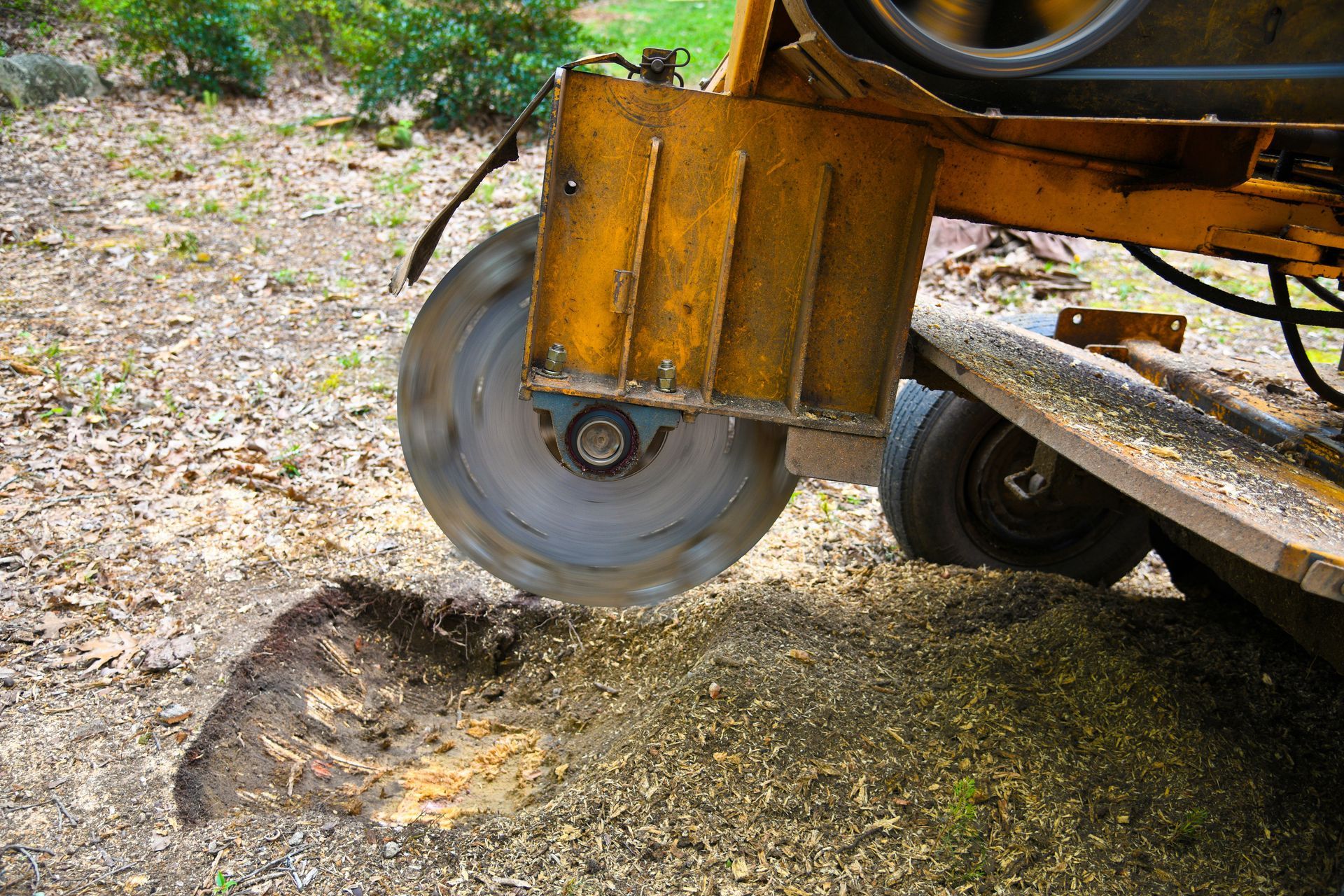
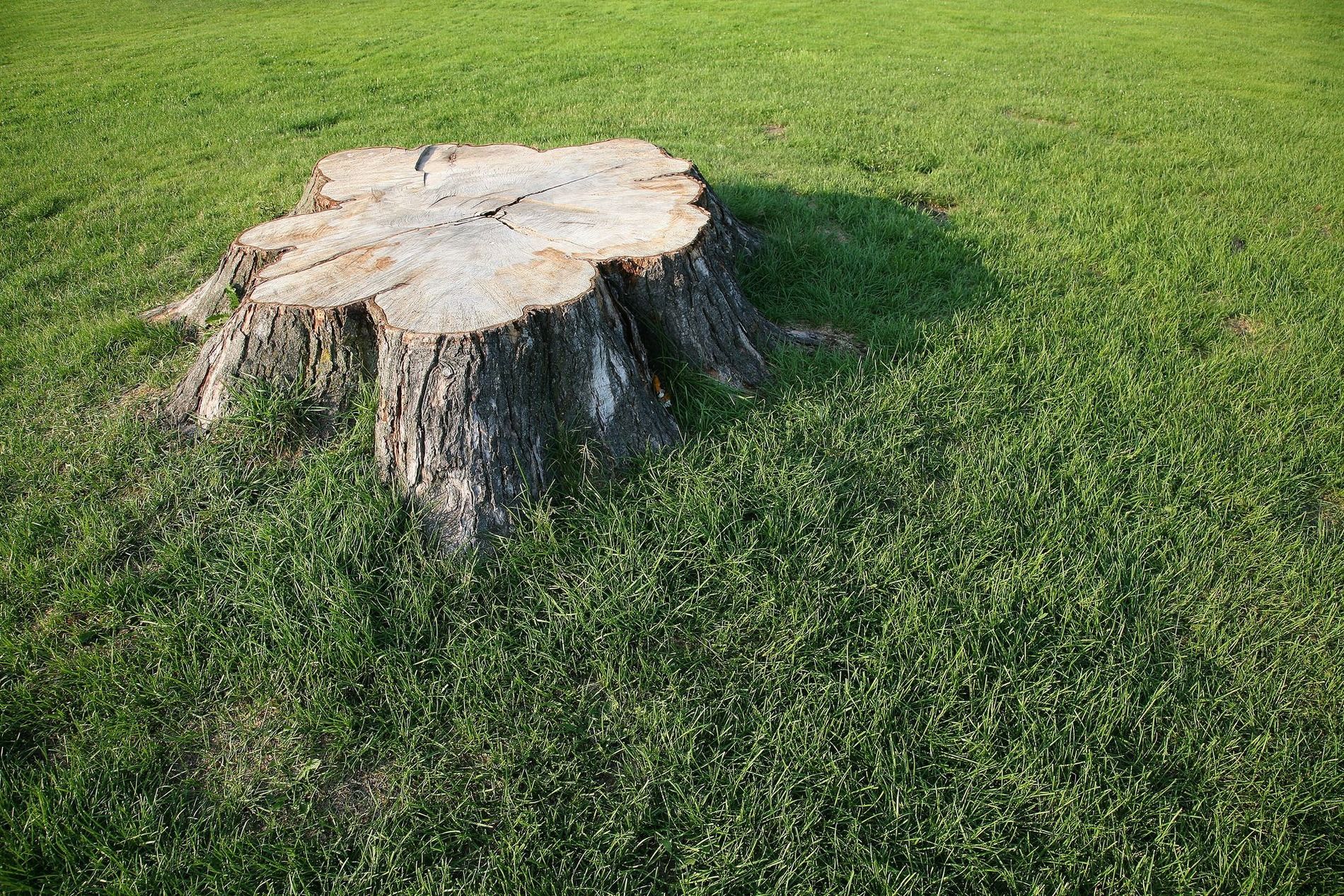
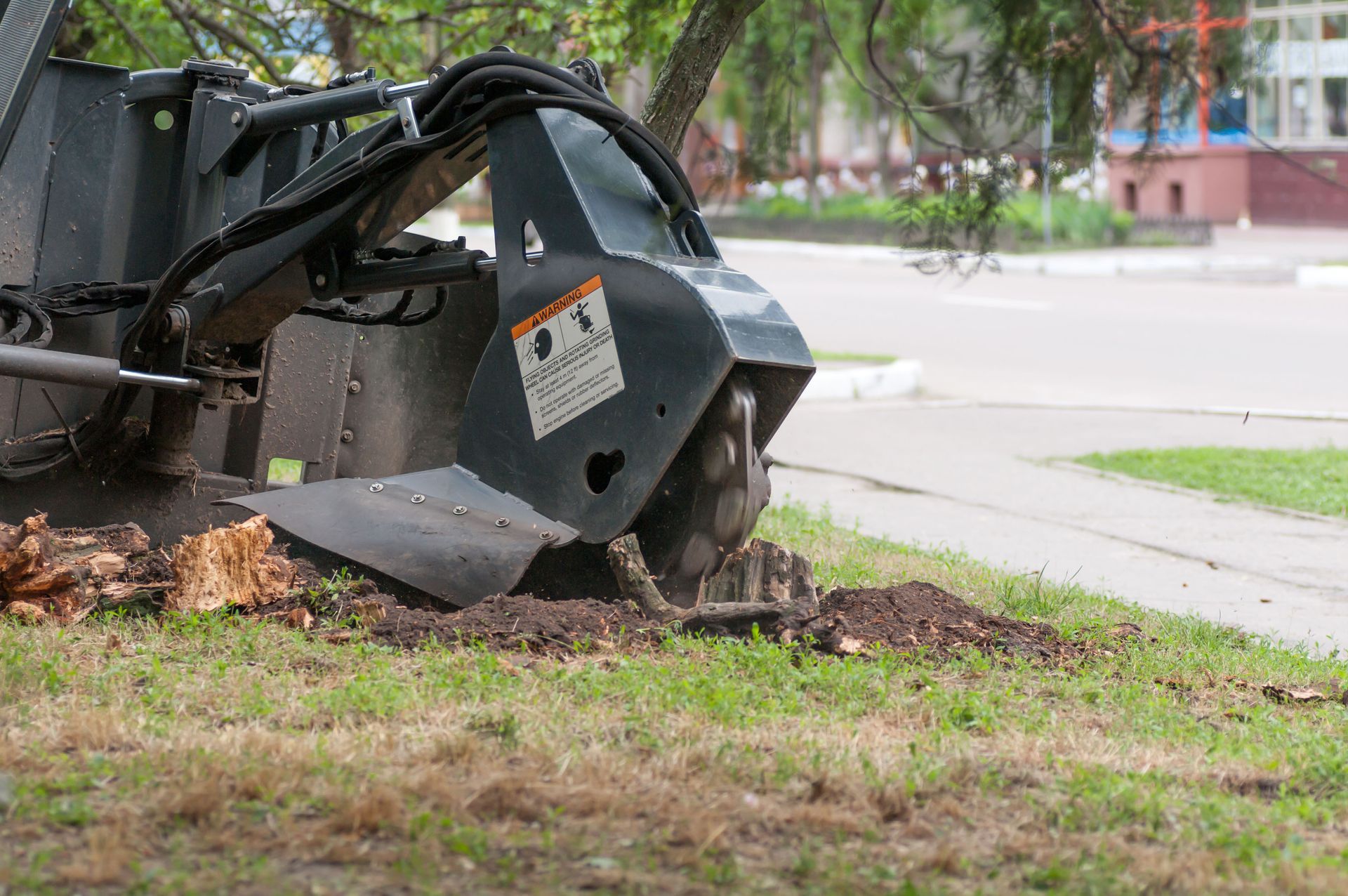
The size of a stump is one of the most significant factors affecting stump grinding costs. Larger stumps require more time, greater effort, and more powerful machinery to remove. Grinding equipment works by gradually shaving the stump down below ground level, and wider stumps require additional passes with the machine. As a result, a stump with a larger diameter generally leads to longer service times and higher overall costs.
Professionals often measure the diameter of the stump to estimate the amount of work required. This measurement helps determine how long the grinding process will take and which equipment will be needed. Larger tree species that have been growing for many years can leave behind particularly large stumps that require extensive grinding. Accurately assessing the size of the stump ensures that property owners receive realistic cost estimates and helps technicians plan the most efficient removal approach.
Proper measurements also help prevent unexpected expenses during the project. If the stump is larger than initially anticipated, the grinding process could take longer than expected. By carefully evaluating the stump beforehand, both property owners and service providers can ensure that stump grinding costs align with the scope of work required.
Considering the Type of Tree Species
The type of tree that once occupied the space can also influence stump grinding costs. Different species produce wood with varying densities, which affects how easily the stump can be ground down. Hardwood species such as oak, maple, and hickory are known for their dense wood structures, making them more resistant to grinding. Because these stumps take longer to break apart, they typically require more machine power and labor time.
Softwood species such as pine, spruce, or cedar tend to grind more easily due to their lighter wood density. These stumps usually break down faster under grinding equipment, which can reduce the overall time required for the job. The difference in wood density may not always be immediately obvious to property owners, but experienced professionals can often identify the species and adjust their approach accordingly.
Accounting for tree species allows service providers to estimate how long the grinding process may take and what level of equipment will be required. This information helps establish accurate pricing and ensures that stump grinding costs reflect the complexity of the job rather than simply the stump's size alone.
Assessing Accessibility Around the Stump
The ease of accessing the stump is another major factor that affects stump grinding costs. Stumps located in open areas of a yard are typically easier to reach with grinding equipment. When technicians can quickly position machinery near the stump, the removal process becomes more efficient and straightforward.
However, some stumps are located in tight spaces or near structures, fences, gardens, or landscaping features. In these cases, maneuvering equipment into position can take additional time and effort. Obstacles such as rocks, slopes, narrow pathways, or surrounding landscaping elements may require technicians to use smaller or specialized machinery. These adjustments can increase the overall labor required to complete the job.
Accessibility challenges can also affect safety precautions during the grinding process. When stumps are located near buildings or walkways, professionals must carefully control debris and operate equipment with precision. According to This Old House, removing trees within 40 feet of your home is best for maximum safety. Situations like these highlight why site conditions can influence stump grinding costs and why a professional assessment is often recommended before beginning the project.
Choosing Experienced Stump Grinding Professionals
The experience and expertise of the service provider can also affect stump grinding costs. Skilled professionals typically have extensive knowledge of tree removal techniques, grinding equipment, and safety procedures. Their experience allows them to assess each stump accurately and determine the most efficient way to remove it while protecting surrounding property features.
Companies that invest in high-quality equipment and trained technicians may charge slightly higher service rates. However, experienced crews are often able to complete the work more efficiently and reduce the risk of damage to nearby structures or landscaping. Their familiarity with different tree species, soil conditions, and grinding methods helps ensure a smoother and more predictable project.
Reputable providers often have a track record of successful projects and satisfied customers. Property owners who prioritize experience and reliability may find that professional expertise ultimately provides better value over time. When evaluating quotes and service options, considering the provider's qualifications can help ensure that stump grinding costs reflect both quality workmanship and dependable results.
Planning for Additional Services and Site Restoration
Stump grinding sometimes involves additional services that contribute to the final project cost. After the stump has been ground down, the remaining wood chips and debris may need to be removed or redistributed throughout the landscape. Some property owners choose to keep the mulch produced during grinding for use in garden beds, while others prefer full debris removal for a clean finish.
In some situations, the ground where the stump once stood may require further preparation before it can be used again. Soil leveling, grass seeding, or landscape restoration may be necessary to blend the area back into the yard. These services can improve the appearance of the property and help ensure that the ground remains stable and suitable for future use.
Discussing these additional options ahead of time allows property owners to better understand the complete scope of work involved. When these services are included in the project plan, stump grinding costs may increase slightly, but the finished result often provides a more polished and functional landscape.
Understanding the factors that influence stump grinding costs can help property owners approach stump removal projects with confidence. Variables such as stump size, tree species, accessibility, professional expertise, and restoration needs all play a role in determining the final cost of the service. By evaluating these elements before beginning the project, homeowners can develop realistic expectations and choose services that best match their needs.
Careful planning also helps ensure that stump removal contributes to the overall safety and appearance of the property. Removing unwanted stumps creates more usable outdoor space while preventing potential hazards for lawn care and landscaping activities. It can also improve the visual appeal of the yard and make future landscaping projects easier to complete. For more information about the services that we offer, reach out to our incredible team at Tree Rescue, LLC today!
Share On: